
Training Basics: Restaurant Handbook & Orientation Guide
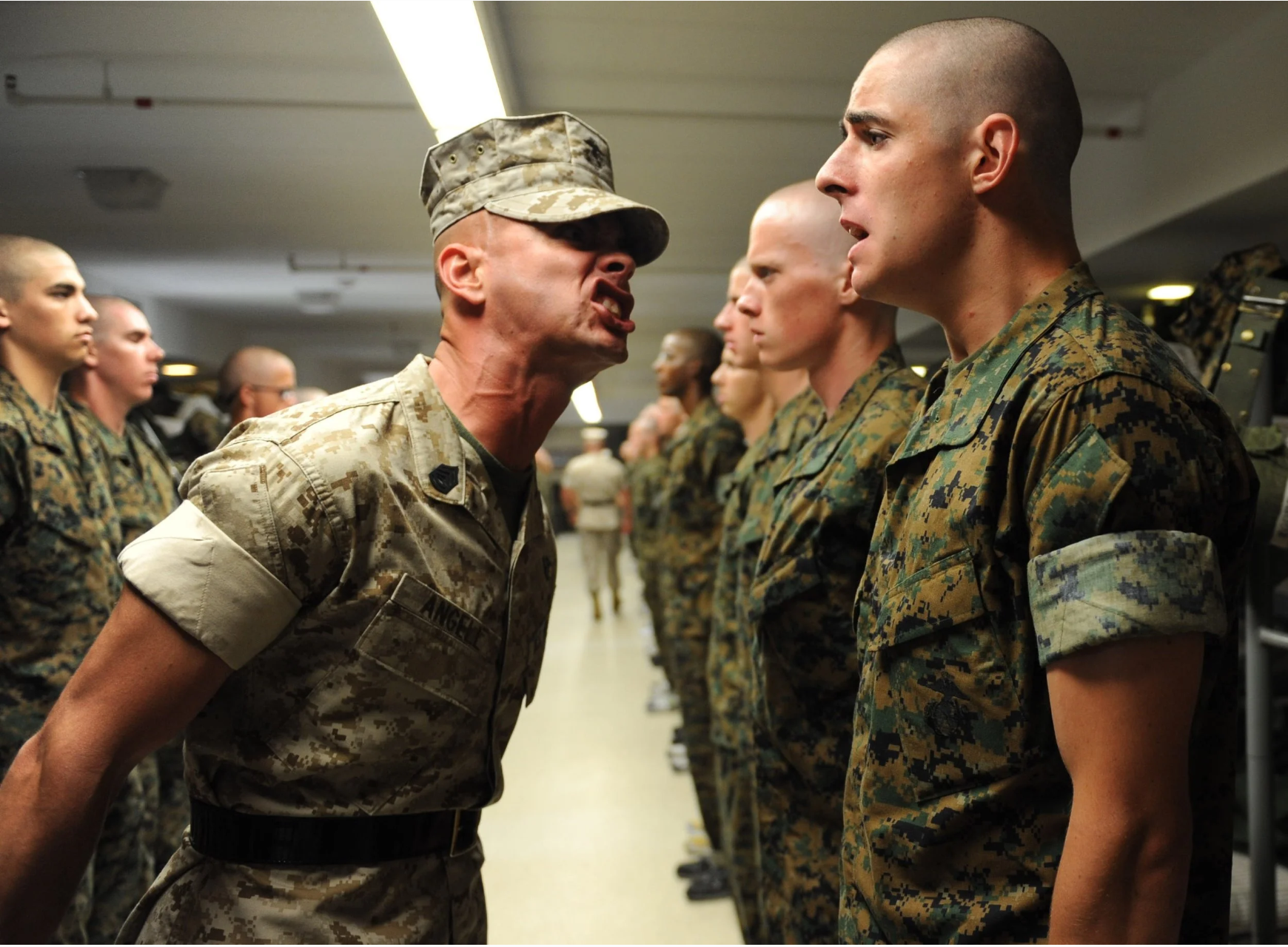
QUESTION: From Peter in West Oaks
"What are your "best practices" for training new FOH and BOH staff? I haven't been as happy as I want to be with the performance of the people I have in place and think my training program could use a little work. Although most training is on-the-fly learning and shadowing, I want to put more effort and focus into a better handbook and maybe even add training videos to the mix. What do you recommend?"
HH ANSWER: by Josh Sapienza | UbiquityAdvisors.com
Let me first start off by saying the following information should be applied to training those who possess the soft skills you desire most in a candidate. Hiring soft skills and training hard skills is the most efficient use of your time. You can train someone on how to be methodical with the necessary hard skills but if they don’t possess the requisite soft skills - you’re wasting your time since the #1 rule in training is to first hire personality and then train skillsets. As I discussed in a previous article (“Interview Questions That Limit Turnover”), soft skills are taught at an early age. They are the life lessons, attitudes, outlooks, perspectives and disciplines instilled by parents, grandparents, aunties & uncles, siblings and/or legal guardians. Spend your time trying to reprogram the formative years of development in an adult and you’ll never have time to address the challenges most commonly faced by even the most experienced guest-facing teams.
A lot of places spend the 1st day filling out paperwork (I 9s, Emergency Contact Forms, Confirmation of Availability, etc..) the 2nd day reviewing the handbook and then the 3rd day getting a uniform and shadowing their "trainer".
It’s imperative to note that no aspect of training should be "on-the-fly" and that FOH and BOH shadowing should commence only after the new hire has toured the entire facility and completed an extensive review of the Handbook (which should include everything from mission and location/operating hours to chain of command and shift change request policy.
The basic formula for the most successful training programs in kinetic environments like restaurants, bars and nightclubs is “Tell. Show. Do.”.
First you tell someone what they need to do, when they need to do it and why they’re doing it.
Next you show them how to do it.
And finally you have them do it.
As far as training videos go - I think most of the videos I’ve seen focus on the bad acting and not enough on Steps of Service (or Set-Up, Service & Break Down ). A lot of people also "tune out" when you turn on a video and walk-out of the room. Not that that's what you'd do but a lot of people do that.
After the Handbook has been reviewed EVERY employee should sign off that they received it (and are responsible to adhere to all standards, policies and procedures) and then be tested on the information to make sure it was clearly disseminated and accurately retained.
Following the Handbook review and testing, each employee should then be given (a regularly updated) Menu Guide that details the names of every dish and lists all or most of every ingredient (FOH employees should also receive a Beverage Guide).
A test on the Menu Guide should follow their review. I would recommend breaking up the test into multiple daily quizzes so you don't overwhelm the new addition to your team. A lot of clients ask "How many days should I allot for this?" and the answer is always the same "As long as it takes.".
Your specific concept, the size of your menu and the number of tries it takes your new hire to get every question right (100% is a passing grade) are just some of the variables to consider when planning your training regimin. Ultimately, you should have an idea but be sure to let the new employee understand that a large part of it is dependent upon them…but as a general rule of thumb, I’d say a total of 2-3weeks).
Once the Food (and Beverage) Guides have been studied and tests passed, the new FOH employee should then taste most, if not all, of the menu and the BOH employee should as well.
After achieving perfect scores on their F&B Guides / Menu tests the BOH trainee should then prep AND cook every item while following thorough prominently displayed: prep sheets (with visual cut sizes), recipe cards plating photos and waste logs at the respective stations) while the FOH trainee sees every dish (preferably in expo) that they are responsible for selling and then sell it back to the MOD after seeing it and/or tasting it.
Tastings can easily be done (by both FOH AND BOH trainees) concurrently with review and testings of a "Steps of Service & Sidework Guide" for FOH and a "Set-Up, Service, Break Down & Clean Guide" for BOH. After, and ONLY after, completing their respective "shift operations tests", each prospective employee should be ready for the “Show & Do” portion of their training: AKA: “shadowing”first for at least 2 shifts for each daypart (Opens, Closes and Mids) so that the trainee can see how different partners: do set-up / opening sidework, do closing sidework, handle a rush, transfer a section, etc...
A lot of managers talk about the number of tables that are appropriate for servers in a section but, since table sizes vary…number of guests are a far better unit of measurement in my opinion. When it comes time to “Do” - FOH should initially be limited to 8-12seats (with a decent amount of time between seatings) to start and then gradually move up to 20-25 seats.
Taking 2-3 weeks might seem like a lot of time - especially for someone who is short handed and needs to staff a restaurant like…yesterday but not investing at least that much time in training tells the every employee (from Day 1) that your restaurant, their job and they themselves aren't that important and worth investing time and resources into.
There's no specific way to manage a training program but I would say it's one of the most important things you'll ever spend time on as an operator.
Your restaurant is only as good as your weakest link...so invest as much time, energy and resources into every position as possible and then ask for (and be open to) their feedback on how to make your training program better. You might be surprised at how much your staff will invest themselves in making your restaurant better if you start by setting the example first.
Remember: While few guests expect impeccable service - EVERY guest appreciates it. The question for every operator - whether new or seasoned - whether fully staffed or barely holding it together is this: "How can you make your teams better today than they ware yesterday?".
Good Luck! And let us know what you try and what works best for you,
Related HH Articles: “How Often You Should Be Holding Staff Meetings”, “Righting The Ship: An Overview Of Re-Programming Staff”, “The 8 Essential Components Of A Constructive Employee Write-Up” and “14 Ways To Improve Workplace Culture & Quality of Life In Your Restaurant”
Josh Sapienza | Managing Partner
UbiquityAdvisors.com & Paire.io: The Dating App For Your Taste Buds